


People with Hodgkin’s will find that their affected lymph nodes become painful after drinking. The other conditions are more likely to occur if you suffer from an addiction to alcohol or other substances. Being a metabolic disorder means that it affects your metabolism – how your body changes and uses energy. The condition can be genetic, meaning that the mutated gene is passed down through the generations. Having the mutated gene doesn’t mean you’ll automatically suffer from the condition as you can develop Sober living house sudden alcohol sensitivity later in life.
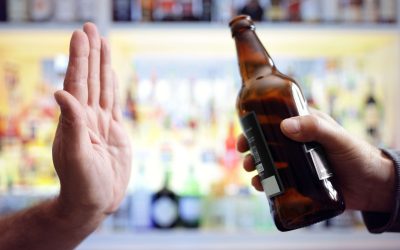
There are various forms of alcohol intolerance, often related to enzyme deficiencies or sensitivities to components in alcoholic beverages. Factors that appear to increase the likelihood of an alcohol sensitivity include being asthmatic, having a damaged liver, or being of Asian descent. Other causes may include enzyme deficiency, an intolerance to histamine, or sensitivity to sulphites. Individuals should work with healthcare professionals to develop a personalized management plan that considers their health status, lifestyle, and the severity of their intolerance. Antihistamines can help to reduce the intensity and severity of the symptoms alcohol intolerance causes.
The effects can show up quickly, leaving you feeling unwell or out of place when everyone else seems fine. It’s not always dramatic, but it can be enough to make social occasions feel a bit uncomfortable. Alcohol intolerance is when your body reacts badly to even small amounts of alcohol. In this article, we’ll explore what alcohol intolerance really is, why it happens and what to do if you think you might be dealing with it.
Why Is My Body Rejecting Alcohol All of a Sudden?
- Alcohol intolerance is when your body lacks the enzymes needed to break down alcohol properly, leading to immediate and uncomfortable reactions.
- Unwanted substances cross into your bloodstream, enhancing autoimmune disease symptoms.
- We combine personalised nutrition guidance, lifestyle counselling, and pharmacological support to help patients manage their symptoms effectively.
- This gives your body a chance to metabolise the alcohol more gradually, which can reduce the buildup of acetaldehyde—the culprit behind many of those uncomfortable symptoms we all want to avoid.
Alcohol nose, also known as alcoholic rhinophyma, is a skin condition that can occur in some individuals who consume excessive alcohol over a prolonged period. It is characterized by the enlargement and reddening of the nose, along with the development of small bumps and prominent blood vessels on the surface. The infection can cause inflammation throughout your body, which can manifest in many different ways, including systemic hives.
Aldehyde dehydrogenase (ALDH) is one of the two enzymes primarily involved in alcohol metabolism. One of these gene variants, which generates a nonfunctional enzyme, is present in Asians but not Caucasians and African-Americans. People with two copies of the defective gene respond to alcohol consumption with intense flushing and other unpleasant reactions, such as nausea.
Kristen Harris Discusses Mentoring’s Importance on Popular Lyme Podcast
Yes, alcohol intolerance can be confused with a hangover, but they are distinctly different conditions with key timing differences. Changes in how the body responds to alcohol can be surprising and unsettling. Many people who have comfortably consumed alcohol in the past may suddenly find themselves experiencing unpleasant reactions with just a few sips. This phenomenon, often referred to as sudden onset alcohol intolerance, can bring up questions about health, underlying conditions and next steps. Below, we’ll explore what sudden onset alcohol intolerance is, why it might happen, whether it differs from an alcohol allergy and some available treatment options. Common triggers include certain types of wine, beer, or spirits that contain high levels of histamine, sulfites, or other compounds that you are sensitive to.
- Alcohol intolerance is a genetic, metabolic disorder of the digestive system.
- When the body cannot properly break down alcohol, harmful byproducts begin to accumulate almost immediately.
- Both genetic and environmental factors contribute to the variation in the inebriating effects of alcohol and the development of alcohol addiction.
- There are several possible causes of alcohol intolerance, ranging from genetic factors to underlying health conditions.
Alcohol Intolerance vs Allergy
A stuffed or runny nose is one of the most common symptoms of alcohol intolerance. This is also due to high levels of histamine found in alcoholic beverages, especially wine and beer. Alcohol intolerance does not lead to alcohol addiction, as these are separate conditions with different underlying mechanisms.
The Recovery Village South Atlanta
The only way to treat alcohol intolerance is to avoid alcohol or, at the very least, limit alcohol consumption. It’s also possible to be allergic to other components in alcoholic beverages, such as sulfites or grains (e.g., wheat or barley). If your reaction is limited to one type of drink, it may point to a specific ingredient allergy rather than a blanket intolerance to alcohol itself. Symptoms of an alcohol allergy include rashes, itchiness, swelling and severe stomach cramps.
Many bars and restaurants now offer sophisticated mocktails and alcohol-free options, allowing full participation in social gatherings without the risk of uncomfortable symptoms. On top of that, advancements in personalised medicine are revolutionising how we approach individual sensitivities. Genetic testing is becoming more accessible to the public, allowing people to learn about their specific https://ecosoberhouse.com/ genetic makeup, including whether they have ALDH2 deficiency.
The Recovery Village Columbus
Some individuals may also experience reactions to grapes or corn that are used in the production of wine and distilled spirits. So, if you notice any unusual symptoms after drinking, it might be helpful to consider what else is in your drink beyond the alcohol. Diagnosing alcohol intolerance requires a comprehensive approach to identify the root cause of symptoms. The process typically starts with a detailed medical history, including a discussion of symptoms, their timing, and specific alcoholic beverages that trigger reactions.

Charitable Care & Financial Assistance
To prevent alcohol intolerance, the best approach is to avoid alcohol altogether if you experience adverse reactions or discomfort after drinking. If you suspect you have alcohol intolerance, it’s essential to consult a healthcare professional for proper evaluation and guidance. These symptoms can be exacerbated if the body has difficulty metabolizing alcohol or if there are interactions with medications or other factors that contribute to alcohol intolerance. Even in individuals who don’t have an intolerance to alcohol, a build of acetaldehyde in the body causes a person to feel sick when they’ve had too much alcohol.
Our levels of care include medical detox, inpatient rehabilitation and intensive outpatient programs (IOPs). No matter where you diseases that cause alcohol intolerance are in your recovery journey, our team will be there every step of the way. Scientists have spotted a link between patients who have high blood pressure and those who develop autoimmune diseases.9 Autoimmune conditions themselves can cause a spike in blood pressure. Alcohol can also have unpredictable health effects if you’re on certain types of medications for the treatment of autoimmune diseases. Whether you binge drink or have the occasional beer, mixing medications with alcohol is potentially dangerous.